Understanding What the Meta Ad Library Is
The Meta Ad Library is a public tool created by Meta to give anyone transparent access to ads running across Facebook, Instagram, Messenger, and the Audience Network. It serves as a central search engine where users can explore active and inactive ads from brands, creators meta ad library, and organizations. Although many marketers view it as simply an archive, it is much more valuable. It is a research tool that helps businesses understand competitor behavior, study creative trends, and make more informed decisions before launching campaigns. The platform offers filters such as country, platform, impressions, and ad categories, which turns a simple search into a detailed look at how online advertising strategies evolve.
Why Marketers Use the Meta Ad Library
The biggest reason professionals rely on the Meta Ad Library is that it shows what is actually running in real time. Unlike case studies or online tutorials, which may focus on best practices that are months old, this library offers current examples of what companies are spending money to promote today. When marketers check a competitor’s ads, they gain insight into tone, offers, visuals, formats, and messaging. It also helps identify seasonal tactics. For example, during a large sales event or holiday period, brands often shift their creative approach. Observing these patterns helps marketers plan stronger promotions and avoid stale concepts. The library also provides information about political and social issue ads, which makes it a trusted resource for journalists and watchdog groups who want transparency around public messaging.
How Businesses Can Use It to Improve Their Advertising
Businesses that want to strengthen their ad strategy can use the Meta Ad Library as a starting point for creative direction. By reviewing ads from similar brands, marketers can see what hooks are being used, what audiences might be targeted, and what formats are gaining attention. Long form video ads, static images, carousels, and short clips can all be studied to understand which approaches dominate a niche. The tool also helps evaluate language style. Some industries lean heavily on direct calls to action while others prefer storytelling or value based messaging. With this knowledge, a business can test new versions of its own ads with more confidence. It also supports competitive positioning by showing gaps in the market. If every competitor focuses on price, one brand can choose to highlight quality or service to stand out.
Key Features That Make the Tool Useful
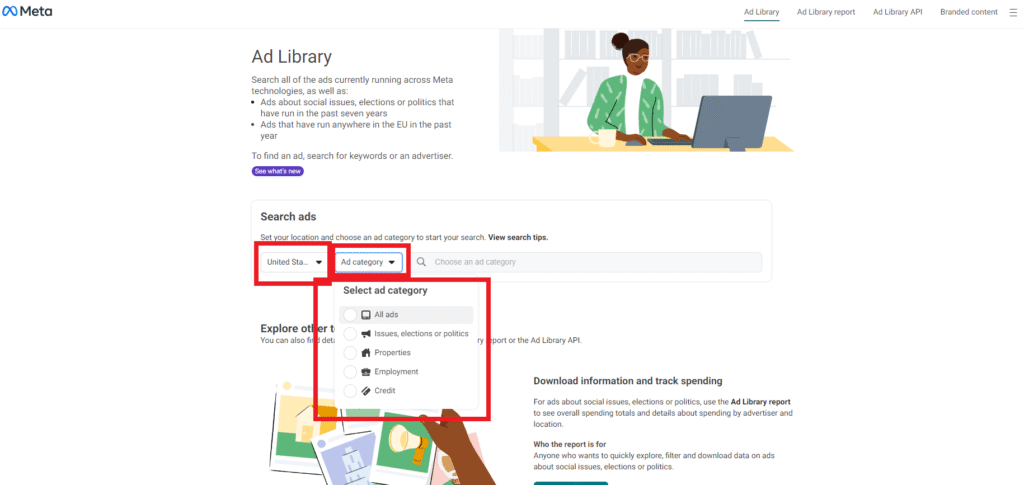
The Meta Ad Library includes filters that help users quickly find what they need. The keyword search is central. It allows users to enter product names, brand names, industries, or specific terms. Users can then refine results by country to see how campaigns vary across borders. There is also an option to view only ads linked to political topics, giving full transparency about funding and messaging. Each ad entry includes details like launch date, media type, and sometimes multiple versions of the same campaign. This helps marketers see how companies split test their content. Another key feature is ad history, which shows how long a campaign ran and whether the advertiser paused or adjusted it.
The Growing Importance of Transparency in Advertising
The Meta Ad Library reflects a broader shift in the digital world toward greater openness. Audiences want to know who is behind the ads they see and why those ads exist. Regulators also expect clearer communication about political messaging and public influence. Meta’s tool supports these expectations by offering easy access to information that once stayed hidden. For businesses, this transparency is a reminder that advertising choices matter and are visible. It encourages higher quality content, more accurate targeting, and a more ethical approach to marketing. As digital platforms continue to evolve, transparency tools like the Meta Ad Library will become even more central to how brands earn trust and stay accountable.